
Learn the fundamental environmental factors and key target areas to unlock a highly productive shallow-water bite during the hot summer months:
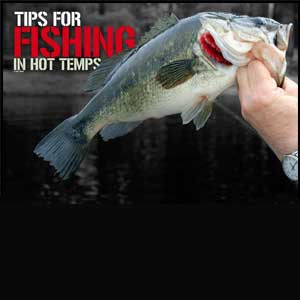
Summertime shallow bass fishing is highly effective because a large population of resident bass remain in the shallows year-round to feed on spawning bluegill and baitfish. While many anglers rush offshore to fish deep ledges, you can find aggressive, biting fish in water less than two feet deep by focusing heavily on oxygen, shade, and the right presentation.
Summertime shallow bass fishing relies on targeting oxygen-rich water, dense cover, and shade. Even when the water is hot, bass stay shallow to ambush baitfish and bluegills. Focus on early mornings, cloudy days, or shaded areas, using topwaters, frogs, and flipping baits to trigger aggressive strikes.
Where to Find Summertime Bass
- Shaded Cover: Look for dock pilings, overhanging trees, and large boulders that cast shade on the water.
- Vegetation: Green, healthy aquatic grass (like hydrilla or lily pads) is a magnet for bass because it produces oxygen and provides cover.
- Wind-Blown Banks: Winds push baitfish and oxygenated water onto shallow shorelines, making them prime feeding zones.
Critical Summer Location Factors
- High Oxygen: Look for bright green, healthy aquatic vegetation such as hydrilla, milfoil, or water willow, which releases oxygen directly into the water.
- Moving Water: Target wind-blown banks, creek inflows, and main-lake points where current generates cooler, oxygen-rich conditions.
- Heavy Overhead Shade: Seek out dock stalls, thick matted grass, overhanging trees, and large boulders where bass escape the midday sun.
- Isolated Cover: Focus on a lone stump, isolated bush, or solitary dock panel; these concentrate resident fish and allow you to break down a flat quickly.
Top Shallow Summer Presentations
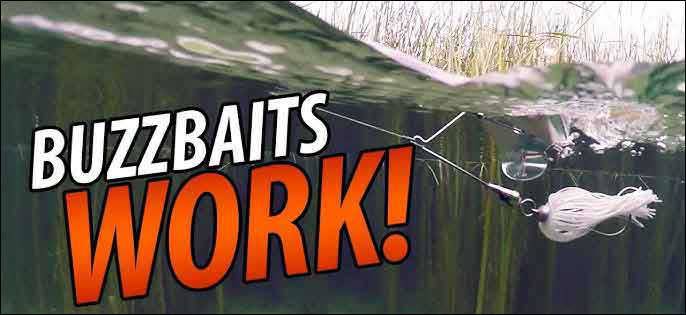
Topwater Cover-Gathering
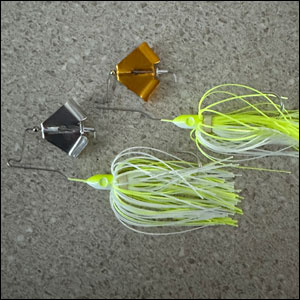
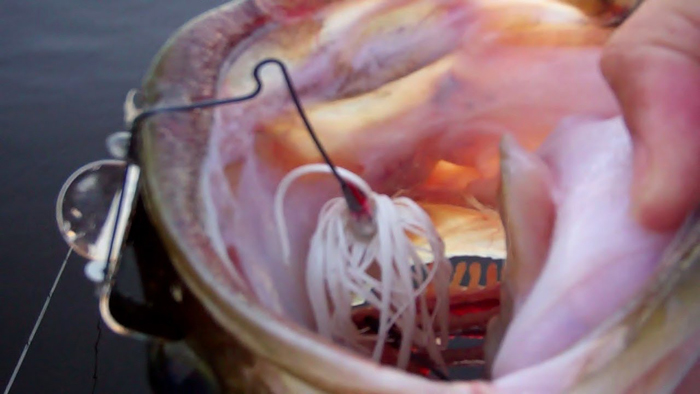
- Buzzbaits: Perfect for covering vast shallow flats quickly to trigger violent reaction strikes. Run them right against the shoreline or along the outside edges of grass.
- Walking Baits: Highly effective in the backs of coves where bluegill spawn. Keep the bait moving with a steady, short twitching rhythm.
- Hollow Body Frogs: The ultimate choice for skipping under overhanging willows or dragging across the top of heavy matted vegetation.
Sub-Surface & Submerged Cover
- Squarebill Crankbaits: Choose small 1.5 or 2-inch models in shad or chartreuse patterns. Retrieve them at high speeds, crashing them directly into wood and stumps to force a reaction bite.
- Swim Jigs: A bluegill-pattern swim jig fished right through the upper water column shines on flatter banks, especially when water clarity is low.
Heavy Cover Penetration
- Flipping & Punching: When the sun is high and bright, transition to a heavy 7’6″ heavy-action rod paired with a creature bait or jig. Use a 3/4 to 1.5-ounce tungsten weight to penetrate the thickest parts of the shade.
Strategic Fishing Plan
- Be Speed Efficient: Set your trolling motor to a high speed and move quickly until you locate active groups of fish.
- Follow the Sun: Start your morning by targeting shallow banks that receive early sunlight, then switch to deep shadow lines as the day heats up.
- Check the Current: If a local dam is generating current or water levels are rising, focus entirely on the outside edges of grass lines where baitfish seek refuge.